
In high-pressure environments, the smallest signals often carry the greatest weight. Drawing on her extensive experience leading critical operations, Nikki Bhamra has witnessed how teams can miss crucial cues. This is rarely because of a lack of skill or intent, but often due to subtle, unspoken pressures that discourage individuals from speaking up.
Missing More Than Details
During a major operation targeting an organized crime group, Nikki and her team prepared diligently. The team was briefed and every detail was checked. Despite this, the outcome did not meet expectations. During a debrief, a new officer shared that she had noticed a small inconsistency but chose not to mention it. She believed it might simply be her own misunderstanding, especially since everyone else seemed confident.
This incident revealed that the team had missed more than just an operational detail; they had missed a crucial signal hidden in her silence. Quietness in teams is often mistaken for fear of consequences, but more frequently it comes from deference. People may hold back for fear of disrupting consensus or appearing less competent.
The Real Cost of Quiet Compliance
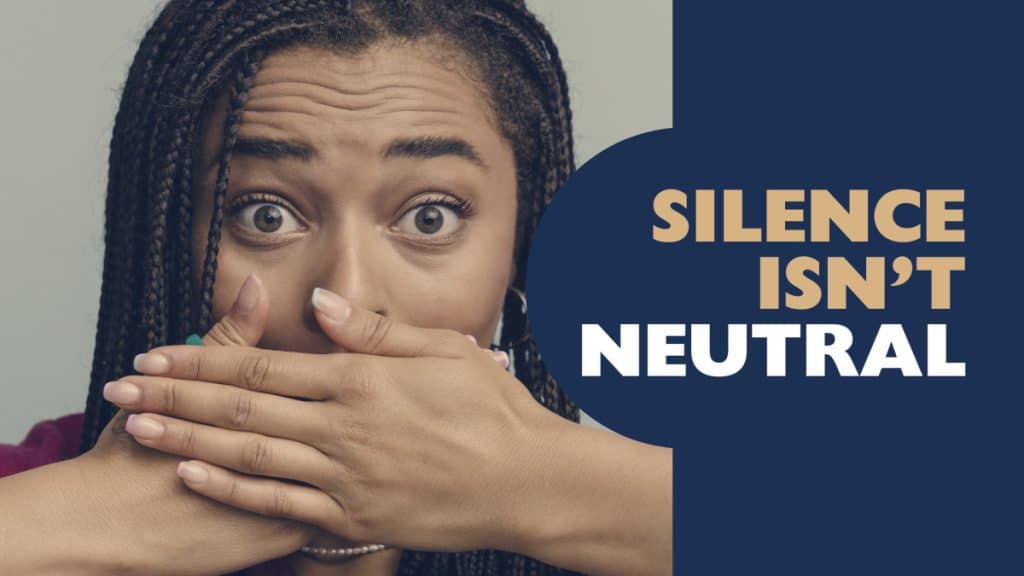
Nikki highlights that psychological safety breaks down not through confrontation, but through quiet compliance. When important voices are not heard, teams can overlook warning signs that might alter critical outcomes. This lack of openness, especially in high-stakes situations, can be costly.
Contrary to popular belief, psychological safety is not created through slogans, policies, or superficial gestures. It is not about being nice or designating safe spaces. Instead, psychological safety is a lived experience where every team member feels empowered to interrupt the process, challenge assumptions, or point out when something seems wrong—without fear of being dismissed.
Building Safety Through Leadership
The quality of a team’s communication is shaped by leadership rather than individual personalities. Nikki routinely asked her teams, “What didn’t sit right with you?” rather than just, “What went wrong?” This encouraged honest, constructive feedback and demonstrated that all perspectives were valued.
Over time, Nikki observed that her teams came to trust that their input was not only tolerated, but genuinely sought out. Genuine curiosity and intentional listening became the foundation for stronger psychological safety.
Micro Moments Shape Culture
A psychologically safe environment is created not by grand gestures or formal policies, but through everyday moments. Nikki emphasizes the importance of:
- Thanking those who deliver uncomfortable news
- Checking in with the quietest team members
- Supporting individuals who challenge the group, both privately and publicly
The safety to speak freely is not about explicit permission, but is continually shaped by the patterns of leadership’s responses in daily interactions.
A Challenge for Leaders
Nikki encourages leaders to consider not just who is speaking up, but who is not, and why. The person who remains silent may be the one who has spotted a crucial risk. Ultimately, silence should never be considered neutral.
Leaders and teams are invited to challenge their assumptions about silence and cultivate openness through intention and curiosity. Psychological safety is not simply a policy; it is a daily practice, established one response at a time.